
Scotland County Court Record Requests
The Scotland County Clerk of Superior Court keeps the official files for the county. That covers Superior Court, District Court, magistrate, criminal, civil, estate, special-proceeding, judgment, and related case records filed in Scotland County. When you have a name or case number, begin with the North Carolina eCourts Portal. Its Register of Actions is also called Case Summary. It helps you spot the right file and the document type you may need. One caution applies. The Portal does not serve as an official copy service. So plan on the clerk for that.
- Locate the Scotland County case through Portal or gather the case number, caption, and the specific item sought.
- State whether the request is for a Case Summary, order, judgment, pleading, plain copy, certified copy, or exemplification.
- Use Portal for an available public document, or visit the Scotland Clerk for terminal access, file inspection, or copies.
- Call the Clerk at (910) 266-4400 before mailing an ordinary copy request because no local copy-order form or turnaround promise was published.
- Confirm the total charge and the type of certification required before the Scotland County Clerk prepares the record.
To visit in person, go to 212 Biggs St., Laurinburg, NC 28352. Mail goes to PO Box 769, Laurinburg, NC 28353. State guidance confirms that clerk offices offer public self-service terminals. It also confirms file review in the county where the case sits. Eligible payments take a certified check or money order. Make it payable to Scotland County Clerk of Superior Court. No ordinary mail-copy form applies here.
Scotland Court Record Layers
Scotland County records come in three layers. The Register of Actions lists what happened in a case, in order. Behind some entries sit filed documents: pleadings, motions, orders, judgments, and exhibits. A certified copy sits on top. It is a clerk-issued official version for anyone who needs an authenticated court record.
Portal may show a public Case Summary and public document images. Still, it is expressly not the official Scotland County court record. It also does not promise that every filed item will be electronic. A paper document held by the clerk goes through the Scotland County Clerk. So does a public document missing online.
The official North Carolina court-record guidance explains these rules in full.
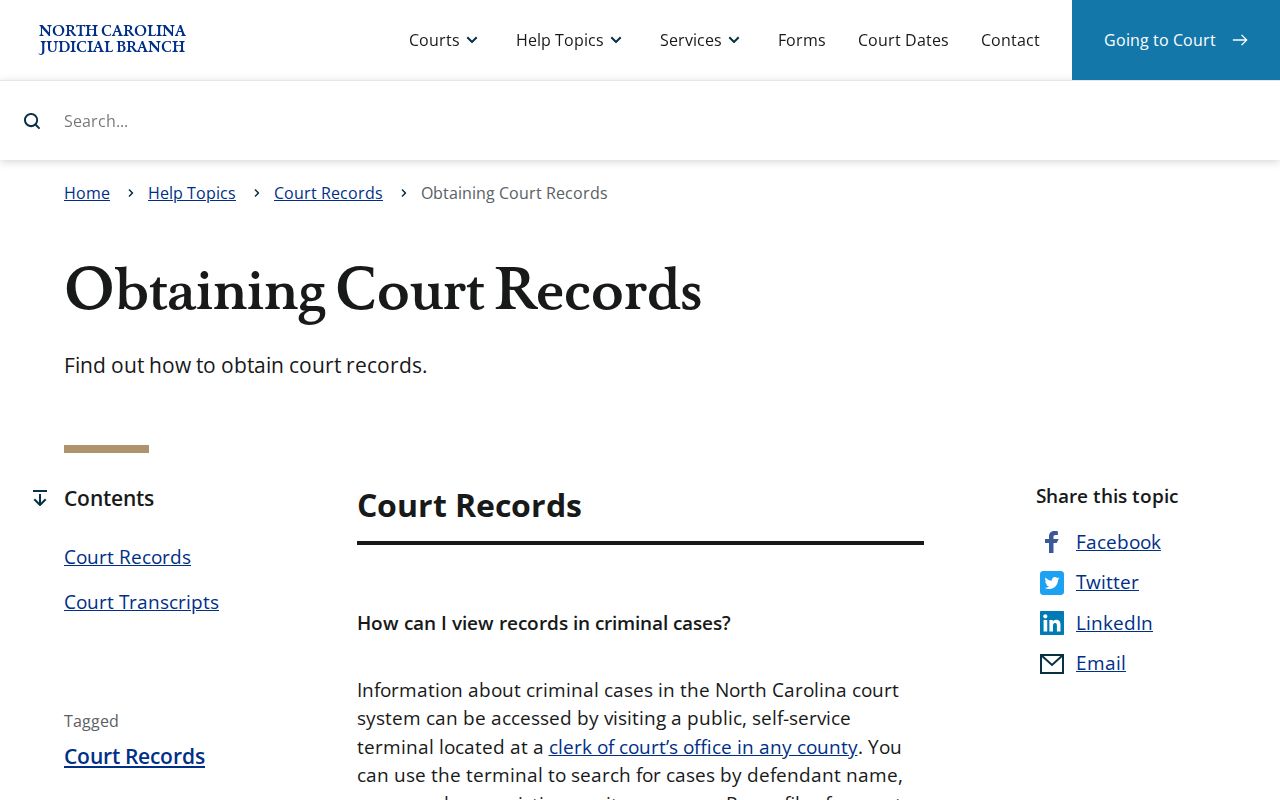
That state guidance backs the Scotland County terminal and paper-file route whenever an online view falls short.
Kinds of Court Records
Why don't court records split into separate civil and criminal repositories? The unified custody of the Scotland County Clerk is the reason. Public material may cover a criminal case or a civil action. It can also include a magistrate matter, estate work, special proceedings, judgments, or liens. Deeds, vital records, and marriage records live elsewhere. Those belong to the Register of Deeds. That office is separate and not the Scotland County court-docket keeper.
- Case Summary or Register of Actions entries.
- Public filed pleadings, motions, orders, and judgments.
- Superior Court, District Court, and magistrate case records.
- Estates, special proceedings, judgments, and related clerk records.
- Official transcripts ordered through the court reporter channel.
Search before you request. The case number and public event history keep you from asking the clerk for the wrong document. A Scotland County docket search can sort out which record layer you need before an official-copy request goes in.
Scotland Court Paper Records
Scotland County joined eCourts Track 6 on October 14, 2024. After the conversion, the Judicial Branch made its position clear. Portal became the public route for indexes, abstracted case information, and case documents. Paper-only documents at go-live stayed with the clerk. So a Scotland County record can be real and available from the clerk. That holds even with no downloadable Portal image.
The Track 6 transition notice draws that boundary. The county publishes no retention schedule and no promise that every older file is digitized. Ask the clerk to route paper-file, historical, or certification requests. Do not assume an email copy is possible.
Court Records: What They Contain
A Scotland County Case Summary organizes the public reference record. Portal sections can include Case Information, Assignment Information, Party Information, Case Events, Dispositions, Hearings, and Financial Information when applicable. Civil, family, probate, and mental-health categories may also show Causes of Action. Behind some entries, a clerk-held case file may hold public filed documents.
| Case number | The Portal result identifier that opens the Scotland County Case Summary. |
|---|---|
| Case Events | The chronological register of filings and other recorded activity. |
| Hearings | Setting details when hearing information is present. |
| Dispositions | Recorded outcome or resolution labels. |
| Documents | Public images where available; sealed or restricted documents are withheld. |
| Certification | A separate clerk-issued component, not a Portal screen. |
A listed financial field does not establish the current amount due. Portal's own guidance sends you to the Scotland County Clerk for current official totals.
Scotland Court Document Limits
Portal public users can reach public, nonconfidential, unsealed documents that the system makes available. Downloads happen one at a time. A too-large file can trigger Error Code 141011. The Portal FAQ points users to clerk help to split it. Scotland County users should read that message as a file-access issue. It is not proof the document has vanished.
The Middle District federal docket and document guidance offers a useful federal contrast.
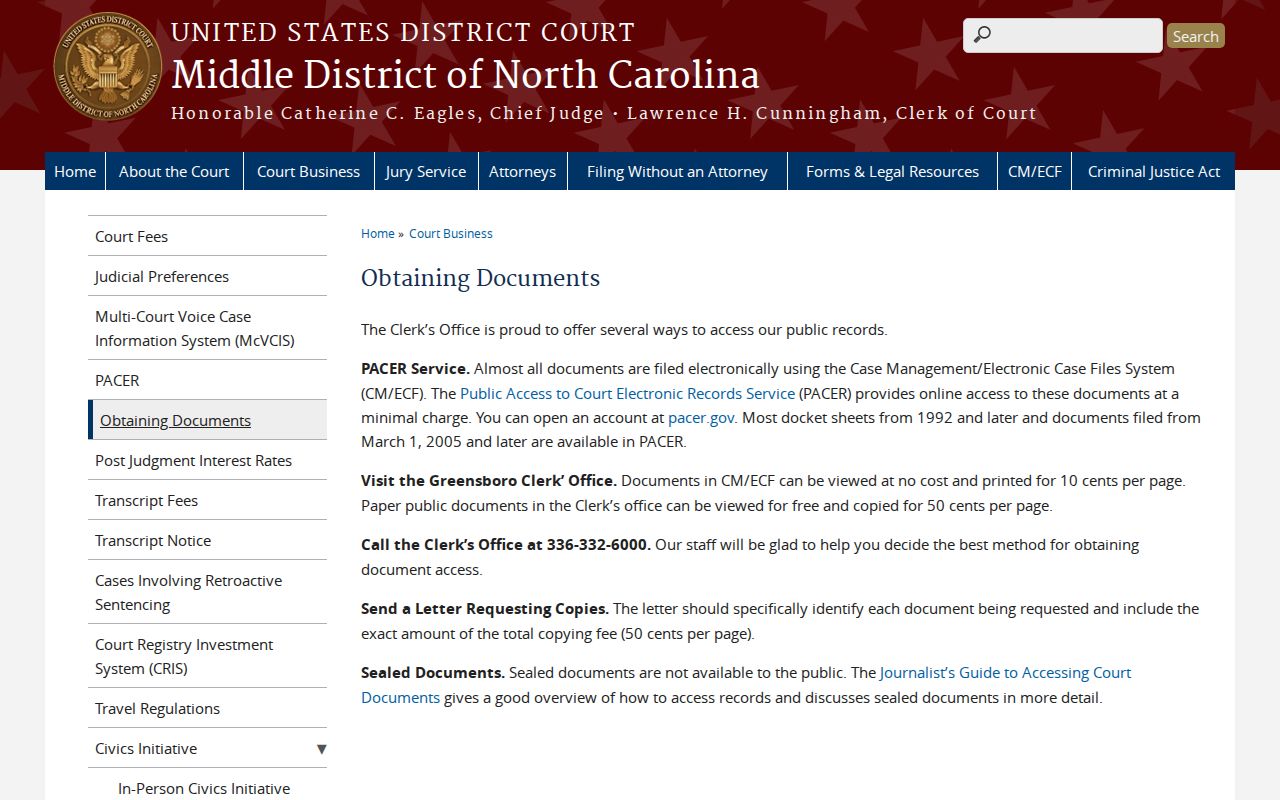
Federal docket material runs through separate channels. That makes the contrast clear. A Scotland County state court document request belongs with Portal or the Scotland Clerk, never a federal court site.
Copy Fees and Certification
G.S. 7A-308 sets the fees for a Scotland County court record request. The clerk charges $2 for the first page of each document prepared. Then it is $0.25 per additional page or fraction. A certificate under seal costs $3, and an exemplification costs $10. Statutory components can stack onto copy preparation. So confirm the total with the Scotland County Clerk before you pay.
| Scotland County record item | Statutory amount | Request route |
|---|---|---|
| First page of each document | $2.00 | Scotland County Clerk copy request. |
| Each additional page or fraction | $0.25 | Same clerk request. |
| Certificate under seal | $3.00 | Ask for certification and verify the full charge. |
| Exemplification | $10.00 | More formal clerk authentication; verify any copy work. |
Scotland County Clerk of Superior Court
212 Biggs St.
Laurinburg, NC 28352
(910) 266-4400
The court-copy statute is the source for the Scotland County fee image below.
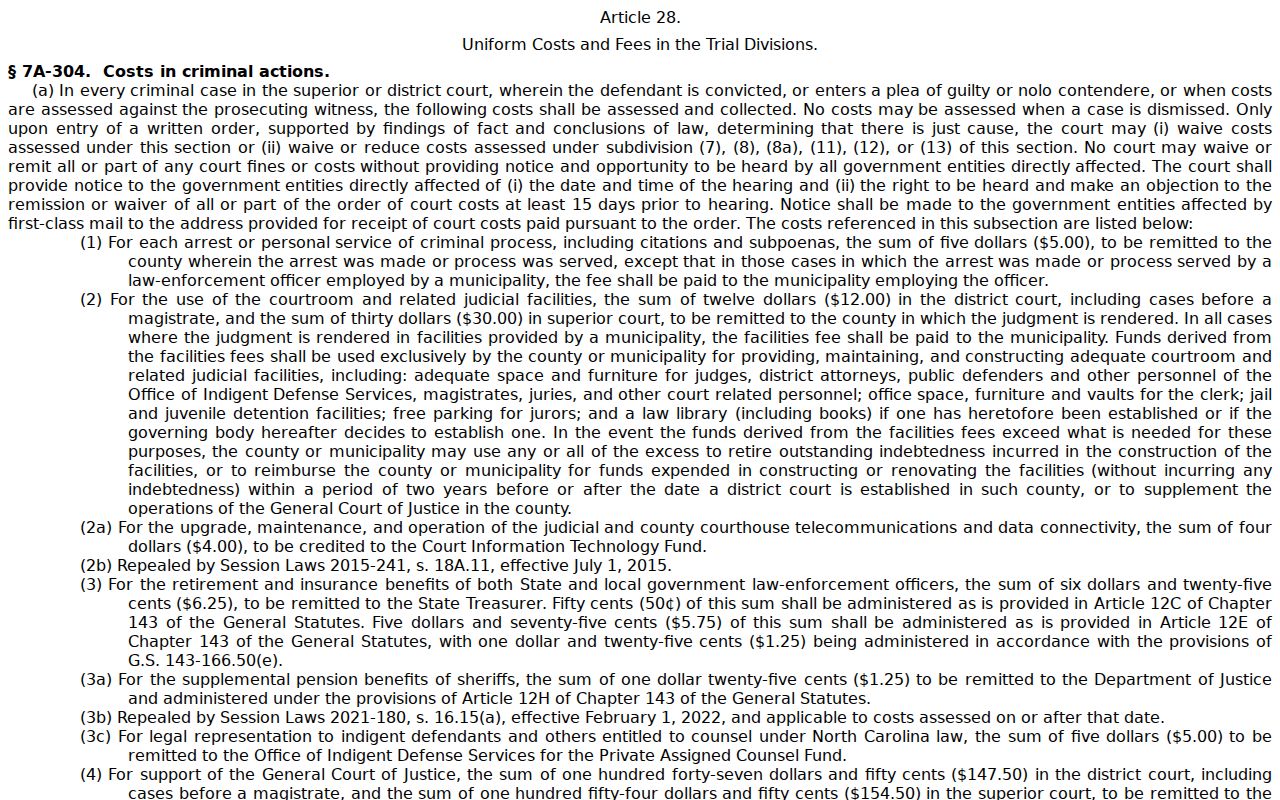
Think of the figures above as a working guide. For an exact charge on a specific record, the Scotland County Clerk sets the final number.
Scotland Court Reporter Records
A transcript works differently from an ordinary Scotland County clerk copy. Words spoken in court go through the court reporter, not the clerk. Two phone lines handle those requests. Scotland lists Official Court Reporters at (910) 266-4579. It also lists the Superior Court Judges Office and Court Reporter at (910) 419-7686. No official fee or turnaround is published. Ask the reporter directly and expect to work out price and timing that way.
The split is easy to remember. The Scotland County Clerk keeps the case file, copies, certification, and exemplification. The reporter builds the record of what was actually said. So a signed order or judgment sits in the clerk file. The spoken proceeding belongs to the reporter.
Access Rules for Court Records
G.S. 7A-109 puts clerks in charge of court records, files, dockets, and indexes. Those materials stay open for public inspection during regular office hours. A law can limit access. The same statute even permits remote electronic access. In Scotland County, that means Portal for public eCourts material. The Clerk handles official records, paper files, and certification.
Key Rules:
G.S. 7A-109 requires clerks to maintain dockets and opens eligible records for public inspection.
G.S. 7B-3000 withholds juvenile records from ordinary public inspection.
G.S. 15A-146 provides expunction authority for qualifying dismissed or not-guilty criminal matters.
A routine Scotland County public request stops at restricted material. Sealed, confidential, and expunged records stay closed. Portal cannot override those limits, and the clerk cannot hand out a record the law or a court order protects.
Scotland Court Request Limits
The NCAOC Judicial Branch Public Records Request form serves one narrow purpose. It covers administrative records held by NCAOC, not Scotland County case documents. The agency says plainly that it is not the custodian of court documents or case information. It points requesters back to the county clerk. So bring any Scotland County case-file question to the Clerk first. An administrative-record form will not move it forward. The expunction statute spells out the law governing expunged Scotland County court records.
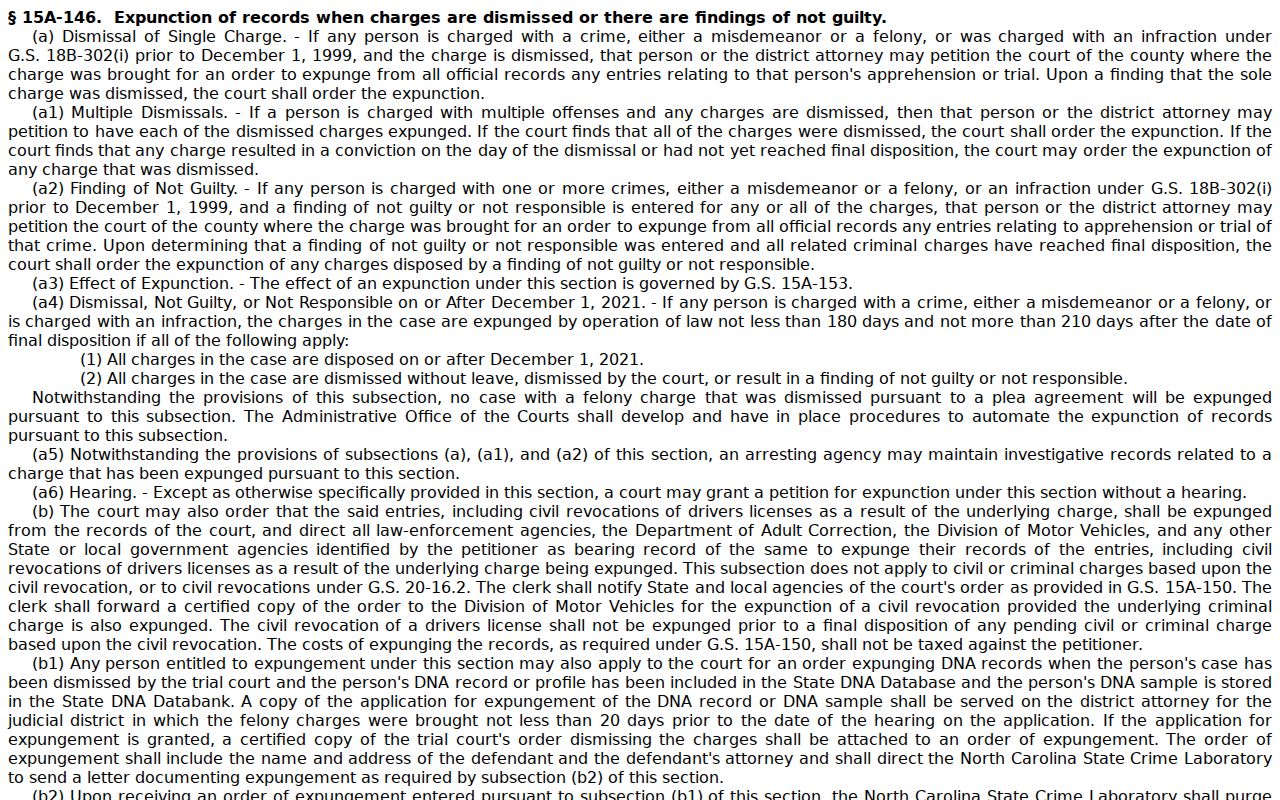
Expunction law shows why a general public-record request cannot lift a Scotland County record limit.
Scotland Court Terminal Access
The Scotland County courthouse terminal offers a free way to inspect court records. It runs under statewide guidance. It earns its keep when Portal comes up empty. Older or paper-based files often show up there. A Scotland County reader can also scan the docket before deciding which copy to order. The terminal respects every public-access restriction, of course. Its value lies in pinpointing the exact item the clerk holds.
Federal bankruptcy is a different system. Those cases run through PACER and CM/ECF, not the Scotland County Clerk. The Middle District Bankruptcy PACER information explains how bankruptcy case access works there.
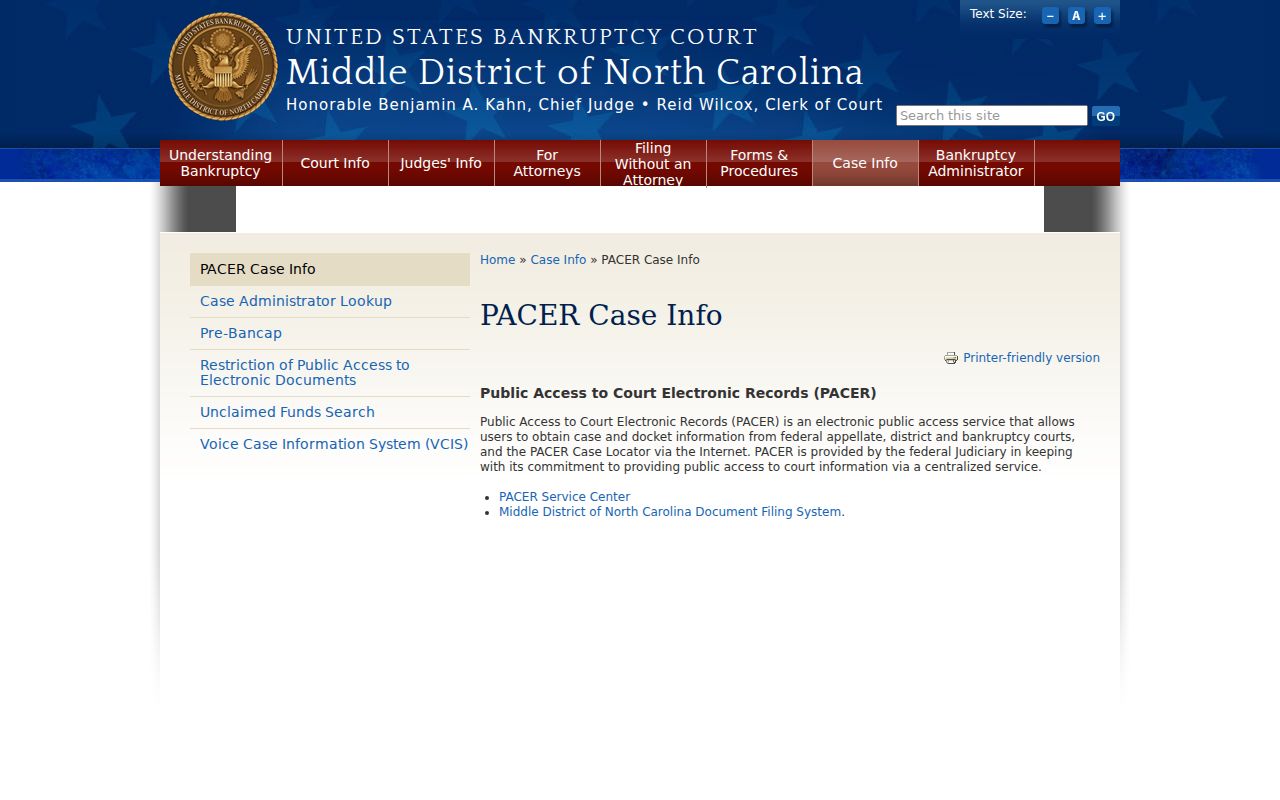
The line stays clean for Scotland County state-court work. Portal and the Clerk handle it; a federal records channel does not.
Scotland Court Federal Contrast
A Scotland County court case does not become federal by itself. The United States District Court for the Middle District of North Carolina runs its own docket and document channels. Federal bankruptcy cases sit behind separate PACER access. A request to the Scotland County Clerk cannot pull those federal records. The reverse holds too: PACER will not fetch a Scotland Superior or District Court file. The PACER fee information lays out how that federal fee system charges users.
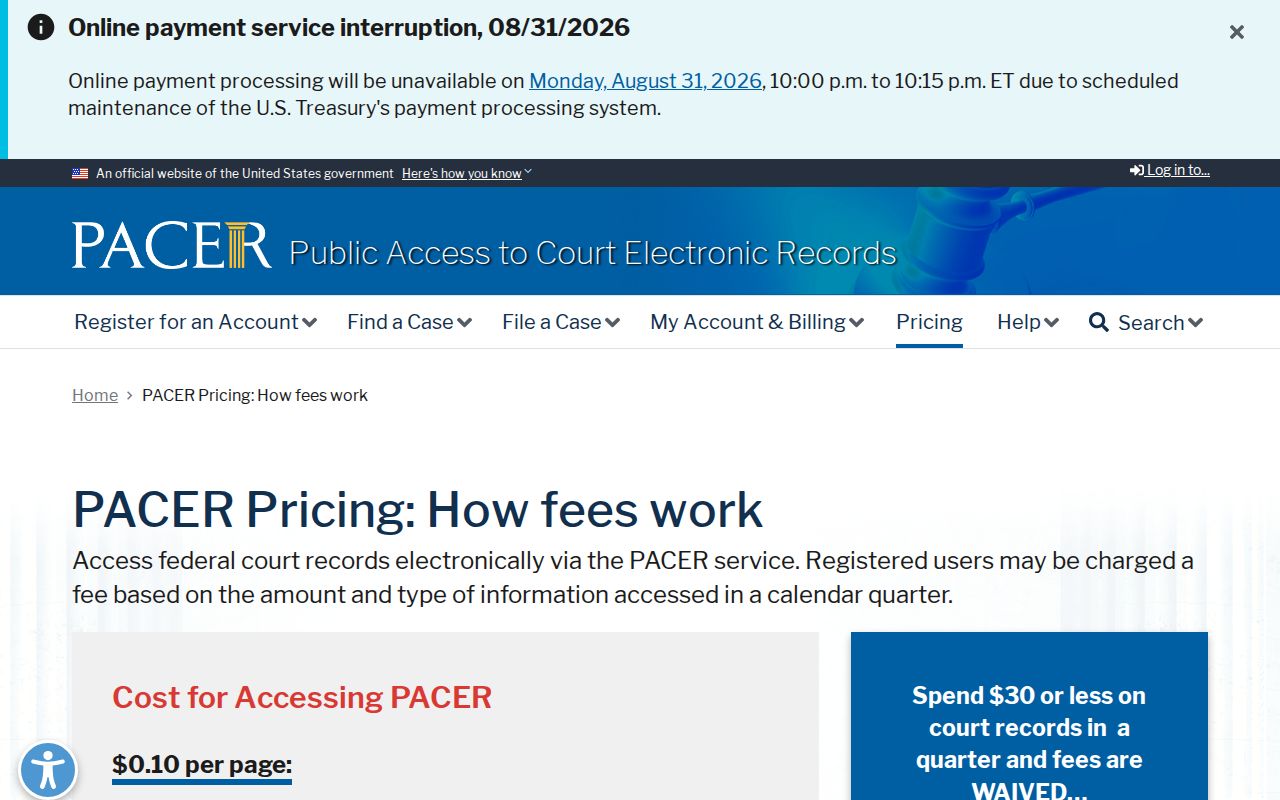
Keep that federal fee structure separate from the county side. Scotland County Clerk copy and certification fees work on their own schedule, listed above.